When it comes to health, some topics can feel a bit awkward to discuss—like pelvic exams. But fear not! This essential check-up is like a pit stop for your reproductive health, ensuring everything’s running smoothly. It’s not just a routine; it’s a chance to catch potential issues before they become bigger headaches.
Picture this: you walk into the doctor’s office, and while the stirrups might look intimidating, they’re actually your allies in the quest for well-being. Pelvic exams can unveil vital information about your body, and they’re a crucial part of preventive care. So, let’s dive into what to expect, why it matters, and how it can empower individuals to take charge of their health—all while keeping the mood light and informative. After all, laughter is the best medicine, right?
Overview of Pelvic Exam
Pelvic exams play a crucial role in women’s reproductive health. These exams involve a physical examination of the pelvic region, helping identify potential health concerns. Healthcare providers conduct pelvic exams to assess the reproductive organs, which include the uterus, ovaries, and vagina.
During the examination, practitioners check for abnormalities such as cysts, tumors, or signs of infections. Specific procedures often take place, including a Pap smear to screen for cervical cancer. This test can detect precancerous changes, offering a preventive approach to women’s health.
Regular pelvic exams are recommended starting at age 21 or earlier for sexually active individuals. Frequency can vary based on medical history, risk factors, and age. Women between the ages of 21 and 29 should undergo Pap smears every three years, while those aged 30 to 65 can opt for a Pap smear and HPV test every five years or a Pap smear alone every three years.
Receiving education about the pelvic exam process helps in alleviating anxiety. Understanding that exams serve as preventive measures can transform perceptions, making them seem less daunting. Discussing any concerns with healthcare providers encourages open communication and a positive experience.
Empowerment can arise from taking charge of health through regular check-ups. Being proactive in reproductive health fosters awareness and cultivates informed choices. Engaging in these examinations demonstrates commitment to well-being and personal health management.
Importance of Pelvic Exam
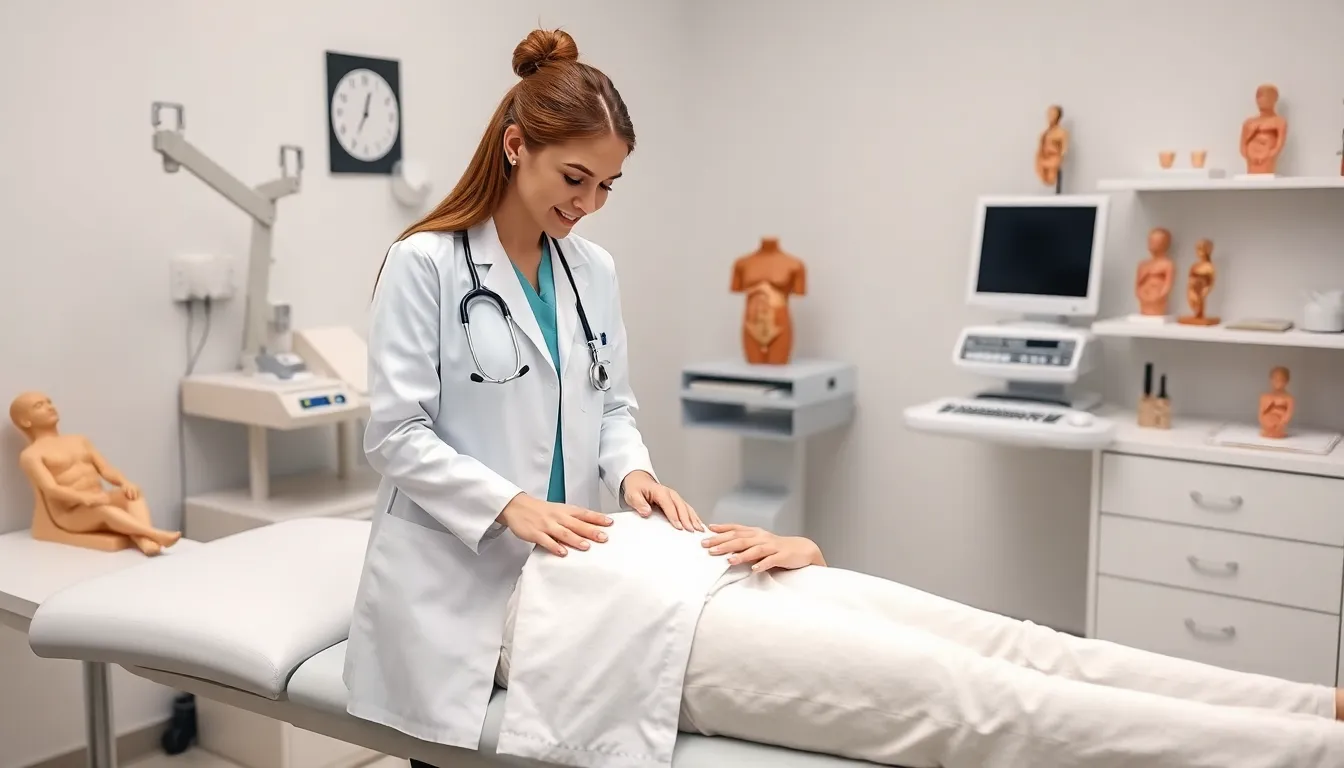
Pelvic exams play a crucial role in reproductive health. These check-ups empower individuals to take control of their well-being.
Benefits for Women’s Health
Regular pelvic exams facilitate the assessment of reproductive health. They help in monitoring conditions like fibroids and endometriosis. Patients receive essential evaluations of their menstrual cycles, providing insights into hormonal balance. Education about issues related to sexual health enhances proactive health management, fostering overall wellness. Healthcare providers can address patients’ concerns, promoting a comfortable environment that encourages open dialogue.
Early Detection of Conditions
Early detection through pelvic exams can identify significant health issues. Healthcare professionals often discover ovarian cysts or irregular growths, which may require further evaluation. Pap smears, an integral part of pelvic exams, screen for cervical cancer effectively. The timing of these exams maximizes the potential for effective intervention. Recognizing symptoms like unusual bleeding or pain during exams allows for timely referrals to specialists and increases the likelihood of successful treatment.
Types of Pelvic Exams
Pelvic exams come in various forms, each serving distinct purposes in women’s health. Understanding these types helps individuals better prepare for what to expect during their check-ups.
Routine Pelvic Exam
Routine pelvic exams are standard assessments aimed at monitoring reproductive health. Healthcare providers perform these regularly to check for any abnormalities in the reproductive organs. The examination includes a visual inspection and manual checks to identify issues like cysts or signs of infection. During a routine exam, providers often conduct a Pap smear to screen for cervical cancer. Recommended frequency for these exams typically starts at age 21, continuing based on individual health needs and history.
Diagnostic Pelvic Exam
Diagnostic pelvic exams focus on identifying specific health concerns. These exams are crucial when symptoms such as pelvic pain or unusual bleeding occur. Healthcare providers conduct thorough evaluations to ascertain the underlying causes of these symptoms. The process often involves advanced imaging techniques and may include biopsies if necessary. Diagnostic exams serve as vital tools in assessing conditions like endometriosis or pelvic inflammatory disease, helping to guide treatment decisions effectively.
What to Expect During a Pelvic Exam
Understanding what happens during a pelvic exam helps individuals feel more at ease. Familiarity with the process can lead to a better experience.
Preparation for the Exam
Firstly, individuals should schedule the exam during a time when they’re not on their period. Avoiding menstrual flow ensures accurate results during the examination. Bringing a list of questions or concerns can help facilitate communication with the healthcare provider. Dressing comfortably makes the visit more relaxed. Arriving for the appointment with recent medical history and information on medications enhances the visit’s efficiency.
Procedure Steps
During the pelvic exam, the healthcare provider begins with a visual inspection of the external genitalia. Afterward, a speculum is gently inserted into the vagina to allow for closer examination of the cervix. Speculum size varies based on comfort and individual anatomy. The provider then performs bimanual palpation to assess the uterus and ovaries through the abdominal wall. This step allows for the identification of any abnormalities or tenderness. Finally, if indicated, a Pap smear is conducted to collect cervical cells for cancer screening. Each step aims to ensure a thorough evaluation of reproductive health.
Potential Concerns and Risks
Pelvic exams, while important for health, can pose concerns for some individuals. Anxiety commonly accompanies the examination process. Fear of discomfort can create an apprehensive mindset before the visit. Individuals might worry about possible findings like abnormal growths or infections.
Infections sometimes develop after examinations. Risk factors include a history of sexually transmitted infections or previous pelvic procedures. Proper communication with healthcare providers can address any potential worries. Ensuring sterilization of tools and adherence to hygiene practices lowers this risk significantly.
Discomfort during an exam varies among individuals. Factors like anxiety and muscular tension can intensify the feeling. Proper relaxation techniques, such as deep breathing, can improve comfort during the procedure. Providers often encourage patients to express discomfort, allowing for adjustments.
Bleeding may occur after a pelvic exam, especially if a Pap smear is conducted. Light spotting can be expected, but significant bleeding warrants consultation with a healthcare provider. Knowing what to expect helps alleviate concerns and promotes a positive experience.
In rare cases, the pelvic exam could trigger a fainting episode, particularly for those with a history of such occurrences. Staying hydrated and eating before the visit can help mitigate this risk. Listening to one’s body and informing the provider about previous experiences ensures a safer environment.
Addressing these potential concerns maintains the importance of pelvic exams in reproductive health management. Engaging in regular check-ups, despite these risks, allows for early detection of serious conditions. This proactive approach significantly enhances overall health and well-being.
Regular pelvic exams play a crucial role in maintaining reproductive health. They empower individuals to take charge of their well-being while providing essential insights into their bodies. By fostering open communication with healthcare providers and understanding the exam process, individuals can approach these check-ups with confidence.
The importance of early detection cannot be overstated, as it significantly enhances the chances of successful treatment for various conditions. Engaging in routine pelvic exams is not just a medical obligation; it’s a proactive step toward a healthier future. Prioritizing reproductive health through these exams reflects a commitment to personal wellness and informed decision-making.