

Ovarian cysts might sound like a villain from a sci-fi movie, but they’re more common than you think. These fluid-filled sacs often play hide-and-seek in the ovaries, typically causing little to no trouble. However, when they decide to throw a party, things can get a bit messy. Understanding ovarian cysts is key to keeping those pesky guests in check.
Overview of Ovarian Cysts
Ovarian cysts are fluid-filled sacs that form on the ovaries. They often develop during a woman’s menstrual cycle. Most cysts remain small and disappear without treatment. Some may signal underlying issues, making knowledge of their types critical.
Functional cysts are the most common. They include follicular cysts and corpus luteum cysts. Follicular cysts form when a follicle doesn’t release an egg. Corpus luteum cysts occur when the follicle does release an egg but fluid accumulates afterward. These cysts frequently resolve independently.
Pathological cysts can develop from abnormal cell growth. Types include dermoid cysts, which contain various tissues like hair, fat, and even teeth. Endometriomas result from endometriosis, where tissue similar to the uterine lining grows outside the uterus. Both types may require additional monitoring.
Symptoms vary widely among individuals. Some women report no symptoms, while others experience pelvic pain or discomfort. Heavy menstrual bleeding and difficulty adopting a comfortable position may indicate larger cysts. Medical evaluation becomes necessary when these symptoms arise.
Diagnosis typically involves ultrasound imaging. Imaging techniques allow healthcare providers to determine the cyst’s size and type. In certain cases, blood tests might assist in identifying cancerous or hormone-related issues.
Monitoring is crucial, especially for larger cysts or those causing discomfort. Regular follow-ups ensure any changes in size or symptoms prompt timely intervention. Most women will encounter ovarian cysts at some point, making familiarization with their characteristics essential for proactive healthcare.
Types of Ovarian Cysts
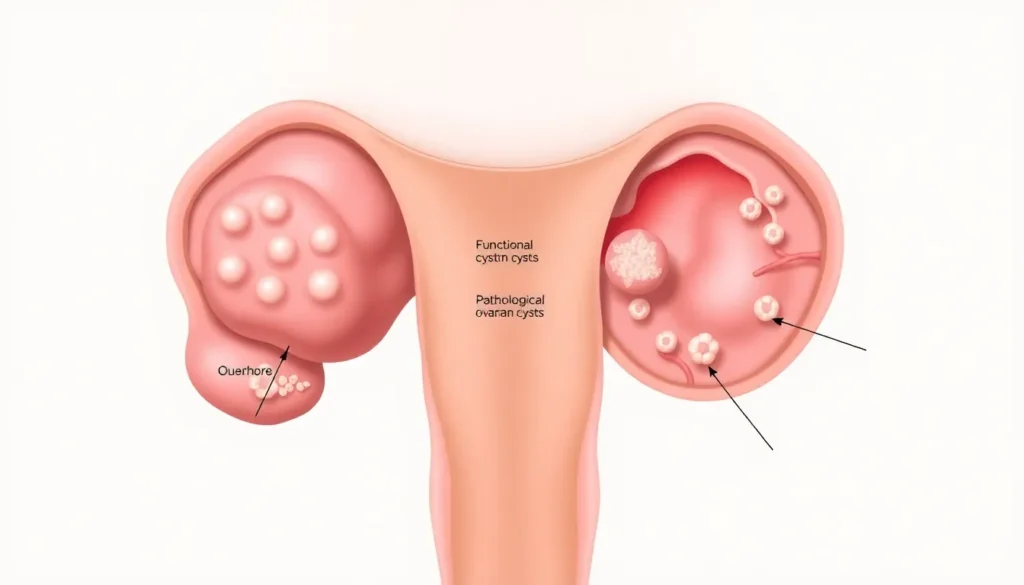
Understanding the types of ovarian cysts helps in managing potential complications. Two main categories exist: functional cysts and pathological cysts.
Functional Cysts
Functional cysts form during the menstrual cycle. They include follicular cysts, which develop when an egg doesn’t release from the follicle, and corpus luteum cysts, which occur after the egg is released. Most functional cysts resolve independently within one to three menstrual cycles. Symptoms often remain absent; however, some women may experience mild pelvic pain or pressure. Regular monitoring through ultrasound can help track these cysts without necessitating treatment in many cases.
Pathological Cysts
Pathological cysts can require more attention due to their potential complications. Dermoid cysts, formed from embryonic cells, contain various tissues such as hair and fat. Endometriomas result from endometriosis, where endometrial tissue grows outside the uterus. Unlike functional cysts, pathological cysts may not resolve on their own and might necessitate surgical intervention if they grow large or become symptomatic. Women experiencing persistent pain or heavy bleeding should seek evaluation to determine the appropriate course of action.
Symptoms of Ovarian Cysts
Understanding the symptoms of ovarian cysts helps individuals identify potential issues early. Symptoms can vary significantly based on the type and size of the cyst.
Mild Symptoms
Mild symptoms often go unnoticed and may include slight pelvic discomfort or pressure. Women might experience irregular menstrual cycles, bloating, or occasional nausea. These symptoms arise when functional cysts form during the menstrual cycle. Cysts in this category typically resolve without treatment, requiring only routine monitoring if symptoms don’t intensify.
Severe Symptoms
Severe symptoms indicate a more significant concern and may include acute pelvic pain, heavy bleeding, or pain during intercourse. Sudden, intense pain can signal a ruptured cyst, requiring immediate medical attention. Women may also notice fever, vomiting, or faintness, especially if bleeding occurs. Such symptoms often necessitate thorough evaluation and might lead to surgical intervention for pathological cysts that do not resolve on their own.
Diagnosis of Ovarian Cysts
Diagnosis of ovarian cysts utilizes various methods to determine their presence and type. Healthcare professionals often begin with imaging techniques and blood tests to gather accurate information.
Imaging Techniques
Ultrasound imaging serves as the primary diagnostic tool for ovarian cysts. This technique offers a non-invasive way to visualize the ovaries, helping to identify the size and type of cyst present. Transvaginal ultrasound offers even clearer images by inserting a probe into the vagina, producing detailed views of the ovaries. In some cases, a pelvic ultrasound may also be recommended to assess surrounding organs. MRI and CT scans can further aid in diagnosis, particularly for larger or complex cysts that may require additional evaluation.
Blood Tests
Blood tests can play a pivotal role in assessing ovarian cysts. A common test measures the level of CA-125, a protein that may be elevated in the presence of certain ovarian tumors or cysts. This test provides additional insights, especially if the cysts are suspected to be pathological. Affordable and efficient, blood tests help healthcare providers assess overall health and identify potential complications. Routine blood tests also monitor hormone levels, which can impact ovarian cyst development and help manage symptoms effectively.
Treatment Options for Ovarian Cysts
Ovarian cysts often require different treatment approaches depending on size, type, and symptoms. Understanding the available options can help manage discomfort and prevent complications.
Watchful Waiting
Watchful waiting remains an effective strategy for many benign ovarian cysts. This approach involves regular monitoring through ultrasound to assess changes in the cyst’s size or symptoms. Patients typically undergo this method if the cyst is small and asymptomatic. Monitoring over a few months allows healthcare providers to determine if natural resolution occurs. If symptoms develop or increase in severity, additional interventions may become necessary.
Medications
Medications can provide relief from symptoms caused by ovarian cysts. Birth control pills serve to regulate hormones and may prevent the formation of new cysts. Nonsteroidal anti-inflammatory drugs (NSAIDs) help relieve pain associated with mild to moderate discomfort. Hormonal therapies might also reduce cyst growth, especially for those linked to menstrual cycles. Regular conversations with a healthcare provider enable patients to find the most suitable medication for their unique situation.
Surgical Interventions
Surgical interventions become essential when cysts cause significant symptoms or show signs of complications. Laparoscopy, a minimally invasive procedure, allows for the removal of cysts while preserving ovarian function. In cases of larger or complex cysts, laparotomy might be necessary to ensure thorough evaluation and treatment. Oophorectomy, the removal of an ovary, may occasionally be required if a cyst is suspected to be cancerous. Discussing these options with a healthcare professional ensures a tailored approach based on individual health needs.
Understanding ovarian cysts is essential for women’s health. While most cysts are benign and resolve on their own, being aware of potential symptoms and complications can lead to timely medical intervention. Regular monitoring and appropriate treatment options can effectively manage any discomfort or issues that arise. By staying informed about the types of cysts and their implications, women can take proactive steps toward their reproductive health. It’s crucial to consult healthcare professionals for any concerns, ensuring peace of mind and proper care.