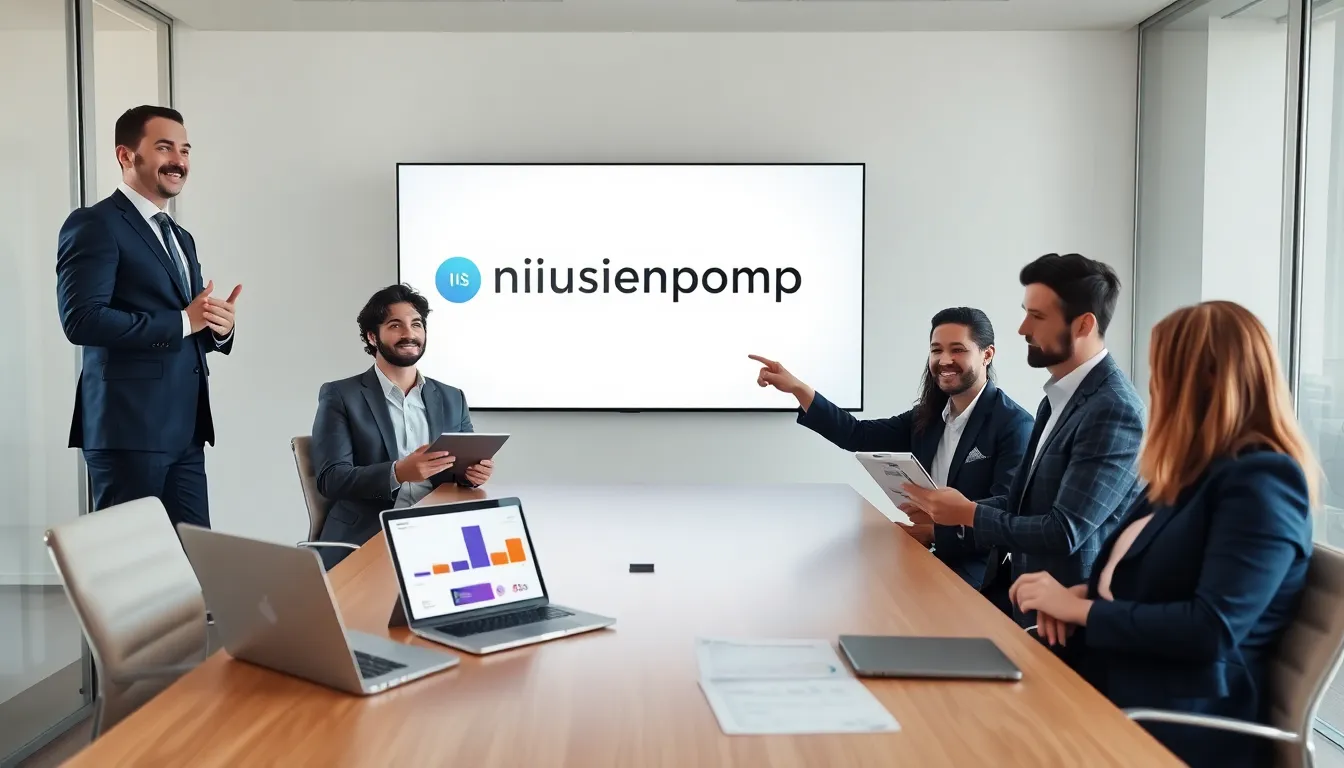

Niousmpomp appears as a unique word that readers will meet and test. The guide explains what niousmpomp might mean, how people can say it, and how groups can use it. The guide shows clear use cases and legal notes. It stays direct and simple.
Table of Contents
ToggleKey Takeaways
- Treat niousmpomp as a coined brandable word and define one clear trait (e.g., fun, small, or helpful) with a single-sentence meaning to guide all messaging.
- Test pronunciation (stress the second syllable) and adoption with small groups, then standardize audio and written forms for consistent recognition.
- Use niousmpomp in short taglines, product names, and social hashtags, starting on one channel and expanding only after steady engagement.
- Create a simple visual identity (one logo, two colors, one–two typefaces) and repeat the core meaning across headlines and captions to build association.
- Verify trademarks, domains, and translations before commercial use, monitor misuse on social channels, and budget for legal checks and enforcement.
What Niousmpomp Could Mean And Possible Origins
Scholars and hobbyists examine niousmpomp as a coined word. It likely grew from sound play or a blend of short elements. Researchers look at similar forms in slang, brand names, and fictional languages. They note common patterns. One pattern shows a soft start and a bouncy ending. That pattern helps the word feel memorable.
Linguists test possible roots. They check for familiar parts like “ni-” or “-pomp”. They test sound shifts and likely stress patterns. They compare niousmpomp to nonce words used in advertising and fiction. They find that people often form meaning from context. For example, when a product uses niousmpomp with playful visuals, users assign fun or curiosity to it.
Cultural observers track early uses. They find posts, mock logos, and short creative texts that use niousmpomp. They note that usage often appears in casual threads and creative groups. That pattern suggests niousmpomp can move from private play to public use. Marketers can watch early adopters to learn common meanings. Creators can adopt a consistent usage to guide meaning.
How To Pronounce Niousmpomp And Use It In Context
Speakers can stress the second syllable. They can say niousmpomp as “nee-OUS-pomp” or “nyo-OUSE-pomp” depending on accent. They can keep the vowel clear. They can avoid running the sounds together. Simple pronunciation helps listeners remember the word.
Writers can place niousmpomp in short, clear sentences. They can show it with a simple definition at first use. For example: “Niousmpomp: a playful name for a small gadget.” Writers can repeat the word in context to fix the meaning. They can use it in product names, slogans, and social captions. They can pair it with images to speed recognition.
Communicators can test the word with small groups. They can ask listeners to repeat the word aloud. They can note which pronunciation sinks in. They can adopt the most common pronunciation for broader use. They can create a short audio clip to teach the sound. They can make sure audio clips use the same stress and vowel length.
Examples And Use Cases Across Communication Channels
Teams can use niousmpomp as a product name. They can call a compact speaker, a toy, or an app niousmpomp. They can write short taglines like “Niousmpomp brings small joy.” They can keep taglines simple and test audience reactions.
On social media, creators can use niousmpomp as a hashtag. They can post quick photos and short videos with the tag. They can ask followers to caption images with one sentence that uses niousmpomp. They can measure engagement with simple metrics like likes and replies.
In email and newsletters, writers can place niousmpomp in subject lines. They can test open rates with A/B tests. They can use subject lines such as “Meet Niousmpomp: A Bright Little Tool.” They can track which audience segments respond.
In product design, teams can use niousmpomp as a code name in early work. They can then move the name to public release if it gains traction. They can create simple logos and short brand rules. They can keep visuals consistent across channels. For example, they can use the same color and a single font family to help users link the word to the product.
In fiction and creative writing, authors can use niousmpomp as a place name, creature name, or device. They can show the word in dialogue to build character voice. They can place short descriptions after first use to shape the readers understanding.
How To Build A Brand, Project, Or Concept Around Niousmpomp
Teams should define a clear simple meaning for niousmpomp. They should pick one primary trait such as “fun,” “small,” or “helpful.” They should write one short sentence that states the meaning. They should use that sentence on webpages and pitch decks.
Teams should design a basic visual identity. They should choose one logo and two colors. They should pick one or two typefaces. They should use these assets across social profiles and product pages. That approach helps audiences link the word and visuals.
Teams should test the name with target users. They should run quick surveys and short interviews. They should ask if the name sounds trustworthy and easy to say. They should collect feedback and adjust the presentation, not the word, at first. They should refine the value message and imagery.
Teams should set simple messaging rules. They should use short sentences. They should repeat the core meaning in headlines. They should use the name in product titles, short slogans, and image captions. They should avoid long technical claims in early messaging.
Teams can scale use gradually. They can start with a single channel, such as a social account. They can expand to product pages and paid ads only after they see steady engagement. They can keep the same voice and visuals as they expand.
Risks, Legal Considerations, And Practical Limitations
Teams must check trademark databases before they use niousmpomp commercially. They must search national and regional trademark records. They must also check domain name availability. They must secure domains and social handles to avoid conflicts.
Teams should consider possible negative uses of the word. They should monitor social channels for misuse. They should prepare a short response plan for clear trademark misuse or impersonation. They should act quickly on requests that threaten reputation.
Teams must test for language conflicts. They must check whether niousmpomp means something offensive or problematic in major languages for their audience. They must avoid markets where the word causes harm.
Teams should budget for enforcement costs. They should set aside funds for legal checks and possible filings. They should plan for the time and expense of responding to disputes.
Teams must accept practical limits. Not every invented word becomes popular. They should measure early results and move on if the name fails to gain traction. They should keep records of tests and decisions for future reference.