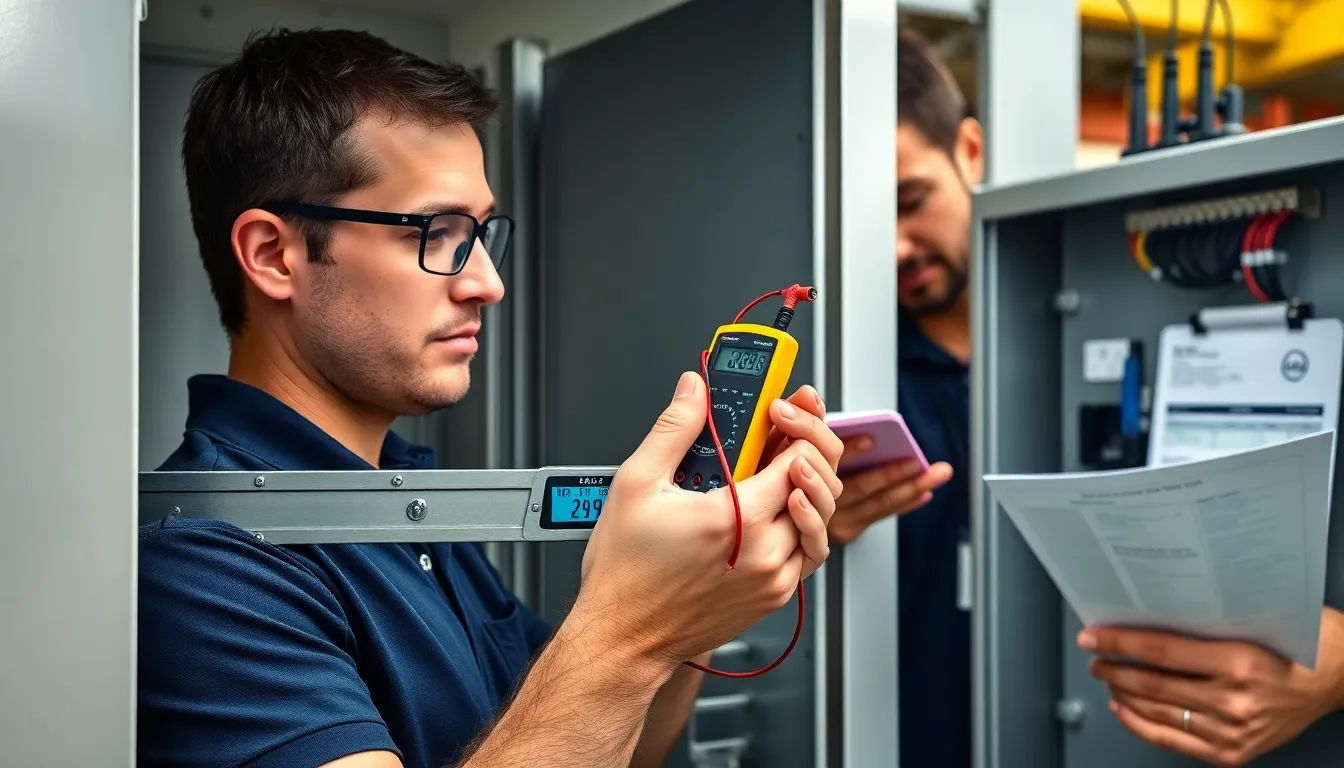

cont2po40024v is a compact power module for small industrial systems. It delivers stable voltage and current for control panels and edge devices. It suits engineers and technicians who need reliable, low-footprint power sources. The introduction lists what the reader will learn and why the device matters.
Table of Contents
ToggleKey Takeaways
- cont2po40024v is a compact 24 VDC power module rated up to 4 A that fits DIN rails and tight control panels for reliable low-footprint power.
- Verify compatibility with PLCs, sensors, and small drives and confirm required certifications (UL/CE) before deployment.
- Install on a DIN rail or flat surface, torque screw terminals to spec, check polarity, and verify no-load output with a multimeter at first power-up.
- Inspect terminals and clean dust every six months, avoid continuous loading above 80% of rating, and replace the module if output drifts beyond ±5% under normal load.
- Troubleshoot by testing AC input and fuses first, isolating the load for output checks, recording error codes and serial number, and contacting manufacturer support with documented readings and photos.
What Cont2Po40024V Is And Who It’s For
cont2po40024v is a dc power module that supplies 24 volts at moderate currents. It targets technicians who install control cabinets and engineers who prototype field equipment. The device sits in test benches and on DIN rails. It serves users who need a stable 24 V rail with short-term peak handling.
The product design emphasizes compactness and predictable output. It uses standard screw terminals and a simple status LED. It costs less than larger industrial power supplies and fits in tight control panels. It appeals to teams that value uptime and easy replacement.
Key Specifications And Technical Details
The spec sheet lists input voltage range, output rating, efficiency, and protections. cont2po40024v accepts 90–264 VAC input. It outputs 24 VDC at up to 4 A continuous. The device supports short-circuit protection and overtemperature shutdown.
It weighs under 300 grams and measures roughly 110 mm by 55 mm by 40 mm. The module provides ripple below 50 mV and holds regulation within ±2% under rated load. It meets IEC EMI limits for conducted emissions. The case uses metal for heat dissipation.
The device uses a switching regulator topology. It includes an internal fuse on the AC input and inrush current limiting. It provides an on/off terminal for remote control. The LED indicates power and fault conditions.
Compatibility And Common Use Cases
Engineers check compatibility with controllers, sensors, and small drives. cont2po40024v works with PLCs, RTUs, and industrial ethernet switches that accept 24 VDC. It pairs with low-power drives and relay banks.
Common use cases include control cabinet supply, lab benches, and local junction boxes. Field technicians use it for sensor arrays and remote I/O racks. Integrators use it for temporary power during commissioning. The module supports backup batteries for brief hold-up time with an external diode or ORing circuit.
The device fits systems that require UL listing or CE marking. Buyers verify the certifications for their jurisdiction before deployment.
Installation And Initial Setup
Technicians mount cont2po40024v on a DIN rail or a flat surface. They secure the module with the included clip or screws. They route the AC input to the screw terminals and tighten to the specified torque.
They connect the DC output to the load using the marked terminals. They check polarity before powering the module. They leave adequate clearance for airflow around the unit.
For initial power-up, they use a current-limited source or a switched circuit breaker. They verify the output voltage with a multimeter at no load. They observe the LED for solid power indication and no fault blink.
They set remote on/off via the control terminal if the system requires it. They label wiring and record the serial number for future support.
Operational Best Practices And Maintenance
Operators inspect cont2po40024v every six months. They remove dust and check terminal tightness. They verify the AC input connections for corrosion or looseness.
They log output voltage and load current during routine checks. They look for rising ripple or frequent thermal trips. They replace the module if output drifts beyond ±5% under normal load.
They avoid loading the device above 80% continuous rating to extend life. They allow the module to cool before they handle it. They store replacement units in a dry, temperature-controlled location.
They update the system diagram with the module part number and date of installation. They keep spare fuses and the mounting clip nearby for fast swaps.
Common Problems And How To Troubleshoot Them
Technicians face power loss, reduced output, and fault indicators most often. They follow a simple test sequence to isolate the issue. They start at the input, then check the output, and finally inspect load and wiring.
They consult the module label for basic fault codes. They replace the module only after they confirm the problem sits inside the unit.
Quick Troubleshooting: Power And Connectivity Issues
If cont2po40024v shows no LED, they check the AC input fuse and the breaker. They measure AC at the input terminals. If AC is present and the module still shows no LED, they replace the fuse and test again. If the module still fails, they remove load and test output voltage with no load to rule out short circuits in wiring.
If the module trips on inrush or overload, they disconnect the load and power cycle the unit. They check for motor or capacitor bank startup currents. They recommend adding soft-start devices or an inrush limiter for high-start loads.
Quick Troubleshooting: Performance And Error Codes
If the module reports a thermal fault, they verify airflow and ambient temperature. They look for blocked vents or nearby heat sources. They move the module to a cooler location if possible.
If the output shows high ripple or low regulation, they measure output at the module and at the far end of the cable. They check cable resistance and connection quality. They replace the module if internal filtering fails.
If error codes persist, they record the code and contact support. They provide the serial number, input voltage, load current, and a photo of the wiring for faster diagnosis.
Safety, Compliance, And Handling Guidelines
Technicians follow lockout procedures before they touch cont2po40024v. They isolate the AC supply and verify zero voltage. They wear appropriate PPE when they work inside control panels.
The device meets common safety standards for low-voltage power supplies. Buyers confirm approvals such as UL, CE, or CB for their markets. They follow local disposal rules for electronic waste.
They handle the module by its edges. They avoid contact with exposed circuitry. They store it in antistatic packaging and avoid strong vibrations during transport.
Where To Find Official Documentation, Firmware, And Support
The manufacturer posts datasheets, installation guides, and safety information on its support portal. They list firmware updates and change logs for versions that include remote-control features. The support site contains wiring diagrams and common error definitions.
Technicians register the product for warranty and access expedited support. They download the latest datasheet before they install the module. They submit a support ticket when they need advanced troubleshooting or an RMA.