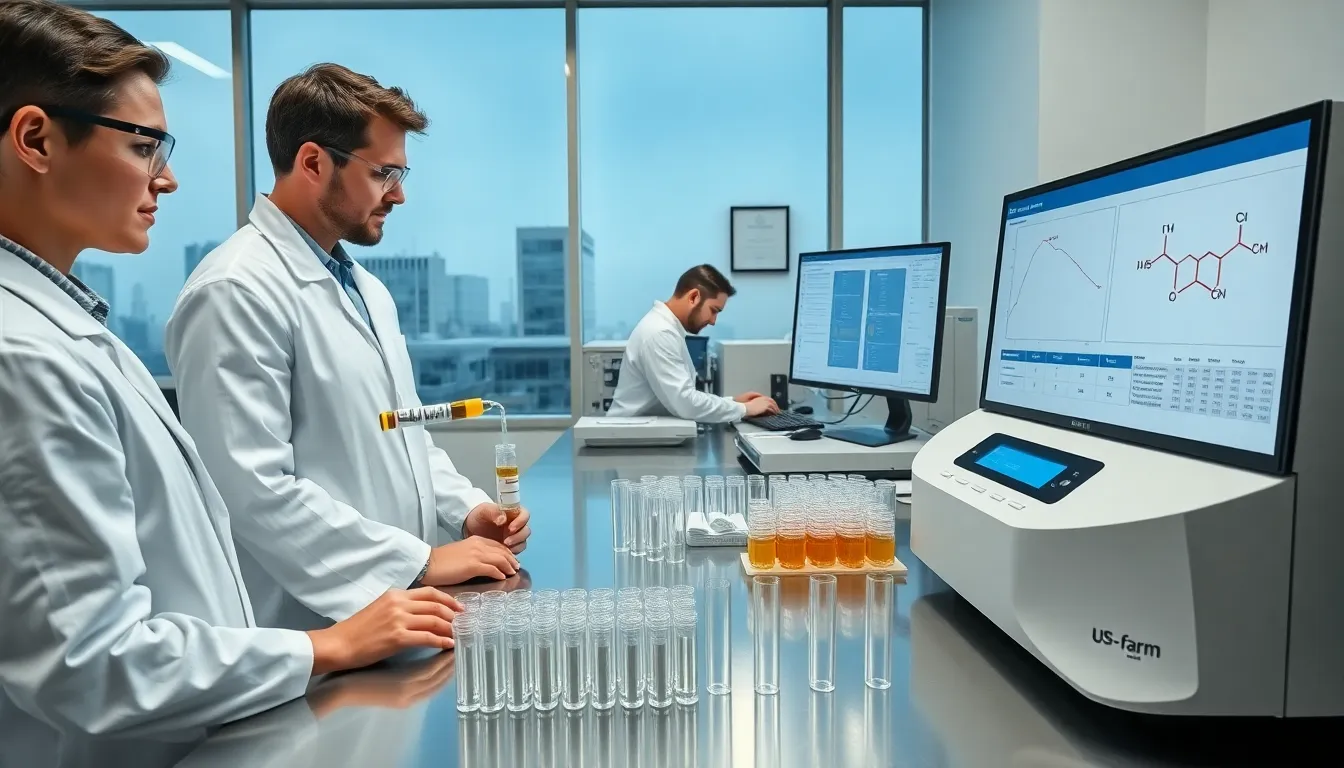

Androstenonum is a steroidal compound that acts as a pheromone in many mammals. The term describes several related 16-androstene compounds that influence smell and behavior. Researchers study androstenonum to understand animal signaling, food quality issues, and human scent perception. This article explains what androstenonum is, how it forms, where it occurs, how it affects behavior, how people detect it, and how labs measure it.
Table of Contents
ToggleKey Takeaways
- Androstenonum is a group of 16‑androstene steroid pheromones that influence social and sexual signaling in many mammals and accumulate in fat where they can affect odor.
- High androstenonum levels in boars cause boar taint in pork, so producers control it through castration (surgical or immunological), genetic selection, and dietary management.
- Human perception of androstenonum varies widely because genetic differences in olfactory receptors cause specific anosmia and large differences in detection thresholds.
- Laboratories quantify androstenonum using GC‑MS with SPME sampling and validated protocols, and they complement chemical assays with trained sensory panels or bioassays.
- Meat processors and farmers can reduce consumer exposure by screening carcasses, trimming or diverting tainted meat, and applying quality‑control measures to balance welfare, cost, and market acceptance.
What Androstenonum Is And Why It Matters
Androstenonum names a group of 16-androstene steroids with pheromonal activity. Scientists link androstenonum to social cues in pigs, dogs, and other mammals. Farmers link androstenonum to boar taint in pork, and the food industry tracks androstenonum to protect meat quality. Olfactory scientists study androstenonum to learn how scent shapes social behavior. Regulators and producers monitor androstenonum because it can affect product acceptance and animal welfare.
Chemical Structure, Biosynthesis, And Metabolism
Chemical Structure And Properties
Androstenonum has a 19-carbon steroid backbone. It carries a double bond at the 16 position in many forms. Chemists describe androstenonum as lipophilic and semi-volatile. These properties let it travel in air and bind to olfactory receptors.
Biosynthetic Pathways In Mammals
Mammals synthesize androstenonum from cholesterol. Enzymes convert cholesterol to androstane derivatives. Tissues such as testes and skin show high enzyme activity. Microbes in the gut can also alter steroid precursors that lead to androstenonum.
Metabolic Fate And Breakdown Products
Liver enzymes metabolize androstenonum into polar conjugates. Kidney and bile excrete these metabolites. Microbial action in soil and gut can further break down androstenonum. Some breakdown products still bind olfactory receptors but at lower potency.
Natural Sources And Occurrence
Occurrence In Swine: Boar Taint And Production Context
Boars produce androstenonum in their testes and fat. The compound accumulates in fat and moves into meat. High androstenonum levels cause boar taint that some people find offensive. Farmers control androstenonum by castration, genetics, and management.
Presence In Humans: Sweat, Saliva, And Excretions
Humans secrete small amounts of 16-androstene steroids in sweat and saliva. The compounds can vary by sex, age, and hormone status. Human secretions rarely reach concentrations that match boar taint, but they can affect social perception in subtle ways.
Pheromonal Effects And Behavioral Roles
Role In Animal Communication And Mating Behavior
Animals use androstenonum as a signal of sex and maturity. Males release androstenonum to attract mates and to mark territory. Females and other males detect androstenonum and change their behavior. Studies show mating success often links to androstenonum level.
Influence On Human Social And Sexual Perception
Researchers test whether humans respond to androstenonum. Some studies show that androstenonum can change mood, arousal, or perceptions of attractiveness in short tests. Responses vary widely between people and cultures. The evidence does not support firm claims about broad human pheromone effects.
Perception, Detection, And Individual Variation
Specific Anosmia And Genetic Variation In Olfactory Receptors
Many people cannot smell androstenonum. Genetic variants in olfactory receptor genes cause this specific anosmia. Researchers link certain OR gene alleles to sensitivity differences. These genes explain a lot of the individual variation in androstenonum perception.
Psychophysical Testing And Perceptual Studies
Scientists measure detection thresholds with controlled odor tests. They use forced-choice methods and dilution series. Tests show thresholds vary by orders of magnitude between individuals. Culture, experience, and expectation also shape reports.
Measurement, Analysis, And Laboratory Methods
Analytical Techniques: GC-MS, SPME, And Bioassays
Analytical labs quantify androstenonum with gas chromatography–mass spectrometry (GC-MS). They use solid-phase microextraction (SPME) to sample air and fat. Bioassays with trained animals or humans provide behavioral context. Labs calibrate instruments with standards to ensure accuracy.
Sampling Challenges And Standard Protocols
Sampling fat and breath requires strict protocols. Fat sampling must avoid contamination and oxidation. Breath sampling needs controlled flow and trapping. Labs follow validated protocols for extraction, derivatization, and quantification to compare results across studies.
Practical Implications And Management Strategies
Agricultural Practices: Castration, Genetics, And Feeding
Farmers reduce androstenonum by surgical or immunological castration. They also select boars with lower androstenonum genetics. Diet can alter steroid precursors and lower androstenonum production. Producers balance animal welfare, cost, and market demands when they choose controls.
Food Industry Considerations: Detecting And Preventing Boar Taint
Meat processors screen carcasses for boar taint using rapid chemical tests and trained panels. Cold storage and fat trimming lower consumer exposure. Processors may divert tainted meat to non-sensitive products. Clear labeling and quality control help manage consumer expectations.
Applications In Fragrance, Research, And Ethics
Perfume houses study androstenonum to learn about human scent perception. Labs use androstenonum as a model chemical for olfaction research. Ethical rules guide human testing and animal use. Researchers obtain consent and follow welfare regulations when they work with androstenonum.