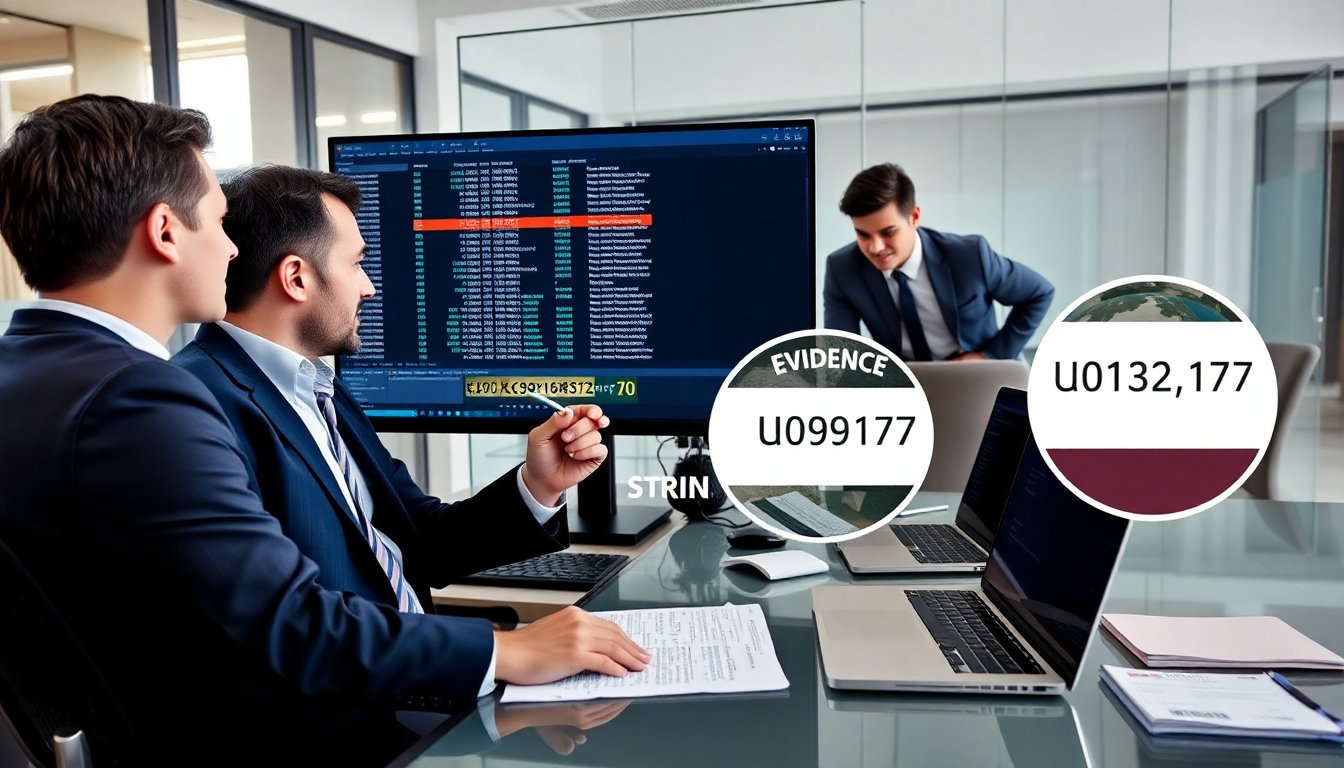

The string у009ву197 appears in logs, images, and device labels. Analysts see у009ву197 and try to identify its origin quickly. Investigators treat у009ву197 as a compact identifier that can link to hardware, software, or registration records. Readers will learn how to recognize у009ву197, test it, and judge its likely source with clear steps and simple checks.
Table of Contents
ToggleKey Takeaways
- The code у009ву197 often serves as a compact identifier linking to hardware, software, or registration records and can be recognized by its unique mix of Cyrillic letters and digits.
- Identifying у009ву197 involves checking its character set, length and pattern, and the context in which it appears to determine its likely source and format.
- Breaking down у009ву197 into parts—such as region, batch, subcode, and sequence—helps decode its meaning and confirms its use as a structured identifier.
- Organizations should verify у009ву197 by copying it exactly, normalizing character types, searching registries, and consulting vendors if needed to ensure accuracy.
- Privacy and legal considerations require that у009ву197 be handled carefully if linked to personal data, avoiding public disclosure when it identifies individuals.
- Automating verification and logging processes for у009ву197 reduces errors, speeds investigation, and helps detect spoofing or fake codes effectively.
Where ‘у009ву197’ Likely Comes From And How To Identify Its Format
Many systems generate short codes like у009ву197. Manufacturers stamp labels with similar strings. Software creates session IDs and file hashes that match the length and mixed character types of у009ву197. Observers can check three traits to identify the format.
First, they check character set. The code у009ву197 mixes Cyrillic letters and digits. They test each symbol visually and with a Unicode tool. They confirm that the first character ‘у’ uses the Cyrillic block rather than Latin. This check matters because Cyrillic and Latin characters can look alike but mean different codes.
Second, they check length and pattern. The string у009ву197 has nine characters with digits grouped near the end. Analysts compare this pattern with known formats: serial numbers, license keys, and vehicle IDs. If the pattern matches a manufacturer’s serial format, the code likely ties to hardware.
Third, they check context. The appearance of у009ву197 in a photo of a router points to a hardware label. The appearance of у009ву197 inside a URL or file name points to software. Logs that list у009ву197 next to timestamps may mean a session or transaction ID. Analysts combine character, pattern, and context checks to form a quick, evidence-based guess.
Breaking Down The Components: What Each Part Of ‘у009ву197’ Could Represent
One can split у009ву197 into smaller parts for analysis. He or she can read the code left to right. They can separate letters from digits and then test each segment.
Start with the first letter ‘у’. The symbol may mark a language, region, or product family. For example, manufacturers sometimes use a letter prefix to show plant location. If у009ву197 appears with other codes that start with ‘у’, the prefix likely serves that role.
Next, look at ‘009’. This three-digit run can serve as a batch, model, or factory counter. Agencies and businesses use small digit groups to indicate production runs. If other codes show similar middle digits that change slowly, the digits likely indicate batch.
Then inspect ‘ву’. This two-letter pair may encode a subcategory or a checksum. Vendors sometimes place small letter pairs to signal firmware version or internal code. A checksum letter pair helps software detect typos when users type у009ву197 into a form.
Finally, read ‘197’. The final three digits may serve as a sequence number or date fragment. They may represent day-of-year, internal code, or a short serial. Analysts compare у009ву197 with nearby codes. If only the final digits change, the digits likely represent a sequence.
Combining parts gives a working model. For example, he or she can map у009ву197 as [region][batch][subcode][sequence]. They can then test this model against other samples to validate the hypothesis.
Practical Uses, Verification Steps, And Potential Privacy Or Legal Considerations
Organizations can use у009ву197 as an identifier in asset tracking, incident reports, and support tickets. Teams can cross-check у009ву197 against inventories to find the matching device or record. They can also use у009ву197 as a search token in logs and databases.
To verify the code, staff should follow clear steps. First, they copy у009ву197 exactly. Second, they run the code through a Unicode normalizer to confirm character types. Third, they search internal registries for у009ву197. Fourth, they contact the vendor or registrar if internal searches return no match.
Teams should log where they find у009ву197. They should record the file name, timestamp, and device information. Logs help future matches and reduce false positives when similar codes exist.
Privacy rules can apply when у009ву197 links to a person or private asset. Legal teams should review whether a code like у009ву197 constitutes personal data under applicable law. If у009ву197 ties to a user account, organizations should treat queries and disclosures with usual data protection steps. They should avoid publishing у009ву197 in public posts when it links to an identifiable person.
Investigators should also watch for spoofing. Malicious actors can create fake codes that imitate у009ву197 patterns. Teams should verify codes through multiple sources, such as manufacturer portals, signed manifests, or authenticated APIs.
Finally, they should automate routine checks for у009ву197. Simple scripts can normalize characters, search logs, and flag unmatched codes. Automation reduces error and speeds response when у009ву197 appears in high volumes.