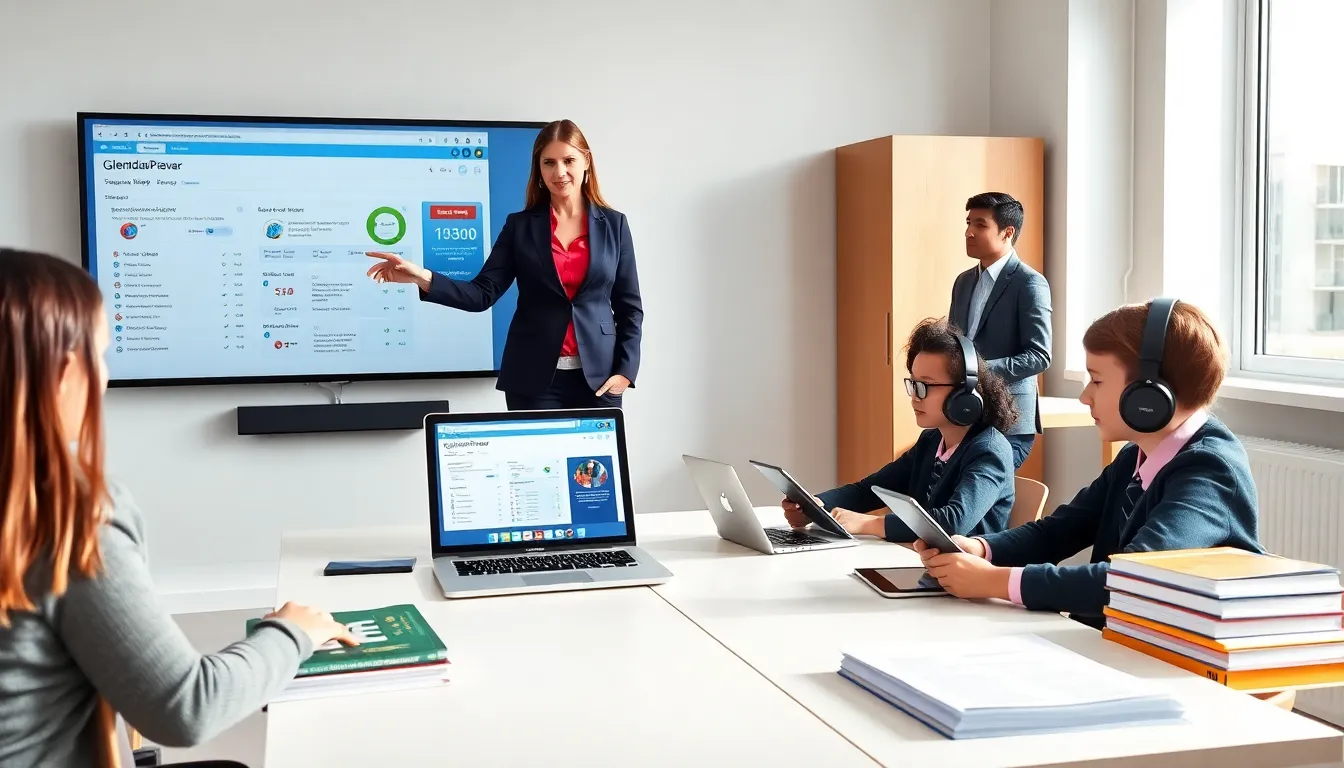

GylendalsWebPrøver are online test packages that teachers and schools use for student assessment. They deliver exercises, quizzes, and reading tasks. They track scores and show progress. They run in a browser and require a login. They support multiple subjects and grade levels.
Table of Contents
ToggleKey Takeaways
- GylendalsWebPrøver provides browser-based tests, practice tasks, and teacher resources that deliver instant feedback and downloadable reports to streamline assessment.
- Teachers should preview items, run a practice test, and set clear time limits and rules to ensure smooth gylendalswebprøver administration and reliable results.
- Use item-level data and distractor analysis from the platform to identify common misconceptions and create targeted lesson groups.
- Schedule frequent low-stakes checks across a term and combine platform data with classroom observation to track growth and set concrete next steps.
- Ensure secure account management, device checks before listening tasks, and a backup plan to reduce technical disruptions and protect student data.
What GylendalsWebPrøver Include
GylendalsWebPrøver include digital tests, practice tasks, and teacher resources. The tests cover reading, grammar, listening, and vocabulary. The tasks appear as multiple choice, short answer, and interactive listening files. The platform stores rubrics and answer keys. It also stores anonymized score reports for class-level review. The material links to curriculum standards in many cases. The package often includes teacher guides and suggested lesson plans. Students receive instant feedback on many items. Teachers can download CSV or PDF reports for analysis. The platform may include audio files and embedded video clips for listening tasks. It may include adaptive items that adjust difficulty after a student answers. The content updates periodically to add new tasks and refresh examples.
Who Uses GylendalsWebPrøver And Why They Matter
Schools and language teachers use gylendalswebprøver to measure student skills. District administrators use the platform to compare cohorts. Teachers use it to spot skills gaps and plan lessons. Students use it for practice and self-check. Parents use reports to see progress. The platform matters because it provides frequent, low-stakes checks of learning. It gives quick data that teachers can act on. It supports standardized preparation and classroom practice. It reduces time that teachers spend grading routine items. It gives teachers a shared set of benchmarks across classes. It also supports remote instruction and hybrid schedules. For many schools, gylendalswebprøver simplify test delivery and reporting.
How To Access And Navigate The Platform
Users access gylendalswebprøver through a secure school account. The school IT administrator usually sets up user credentials. Teachers log in with a username and password. Students log in with a provided code or account. The platform shows a dashboard after login. The dashboard lists available tests and recent scores. Teachers click a test name to open settings and assign it. Teachers set time limits, allowed attempts, and access windows. Students click an assigned test to begin. The interface shows one question at a time or a full test view, depending on settings.
Common Test Types And Content Areas
The platform hosts tests for reading comprehension and listening. The platform hosts grammar and vocabulary checks. The platform hosts writing prompts that students type into a text box. The platform hosts oral tasks where students record answers. It also hosts placement tests that estimate student level. Each test links to a skill area and a suggested grade range. Teachers review item statistics after students finish. Teachers can retire or reuse items based on item performance.
Practical Tips For Teachers And Students
Teachers should preview each gylendalswebprøver item before assigning it. Teachers should set clear time limits and test rules. Teachers should run a short practice test with students before the first graded session. Teachers should check audio and device settings in the classroom before a listening test. Teachers should use the platform reports to group students by need. Students should complete practice items to get used to the interface. Students should check their device battery and headphones before tests. Students should read instructions and questions carefully. Schools should plan for a backup device in case of technical issues.
Best Practices For Preparing, Administering, And Interpreting Results
Teachers should align chosen gylendalswebprøver tests with learning goals. Teachers should create a testing schedule that spaces checks across a term. Teachers should use small quizzes to track growth rather than one large exam. Teachers should examine item-level data to find common errors. Teachers should review distractor patterns to spot misconceptions. Teachers should combine platform data with classroom work and teacher observation. Teachers should discuss results with students in short conferences. Teachers should set concrete next steps after each data review.
Schools should train staff on account management and data export. Schools should secure student data with strong passwords and limited access. Teachers should anonymize reports when sharing beyond the school.
Students should treat practice tests as study tools. Students should review incorrect items and redo similar practice tasks. Students should set specific goals based on their reports. Students should ask teachers for clarification on weak areas.